




What is in this category
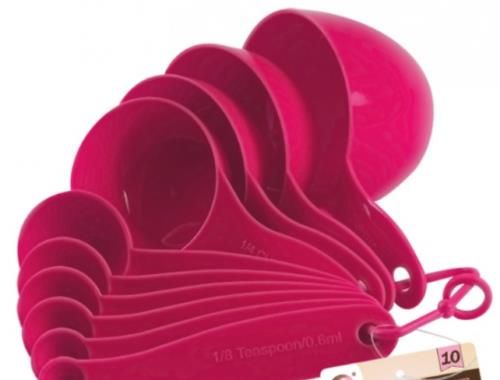
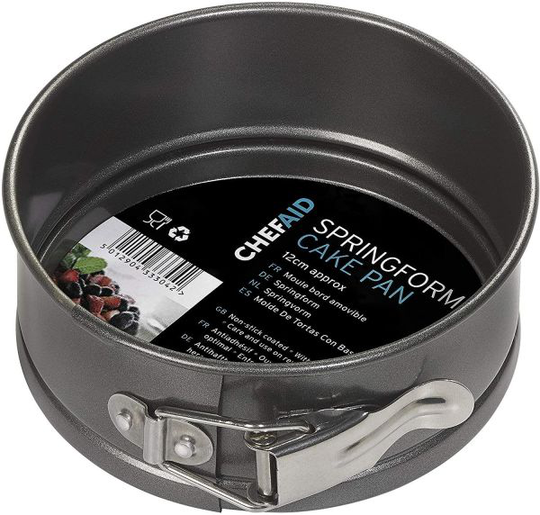
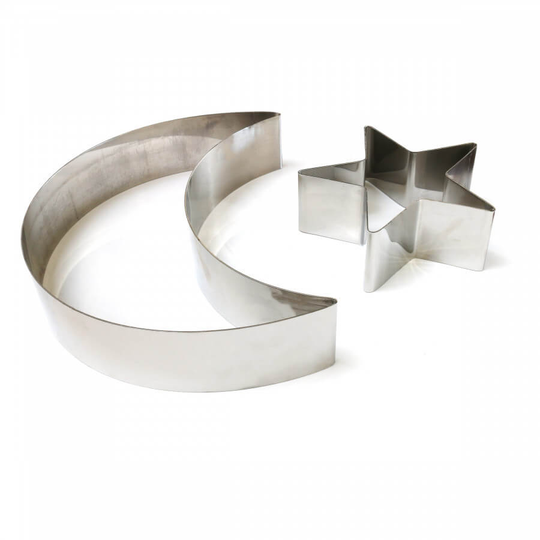
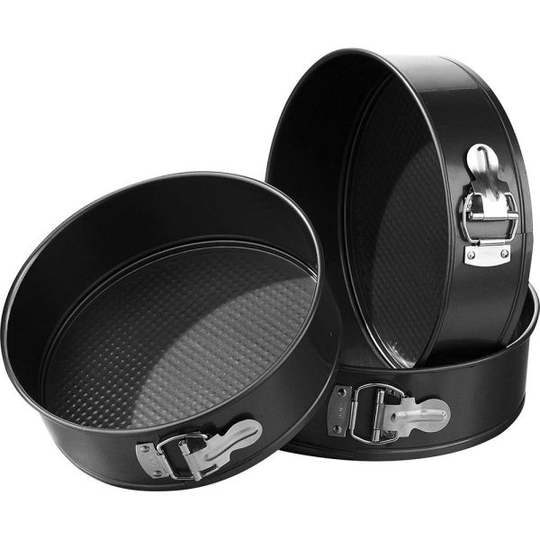
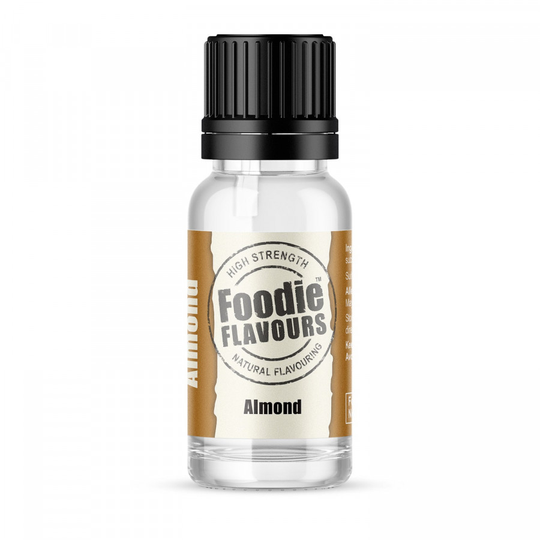
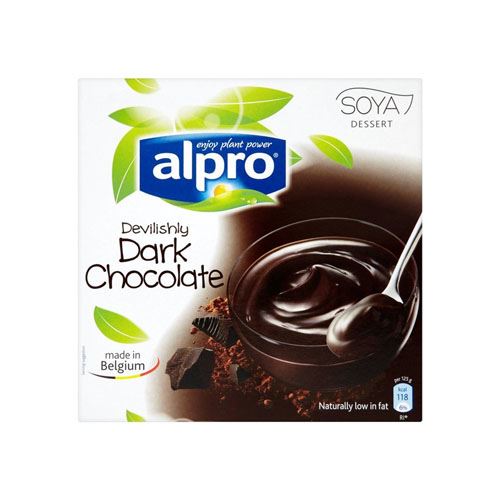
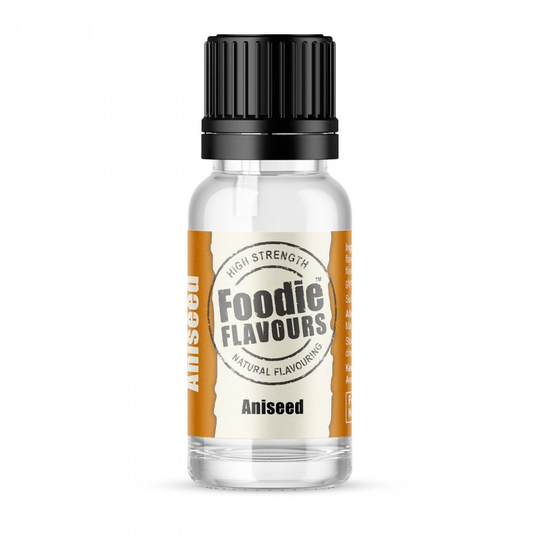
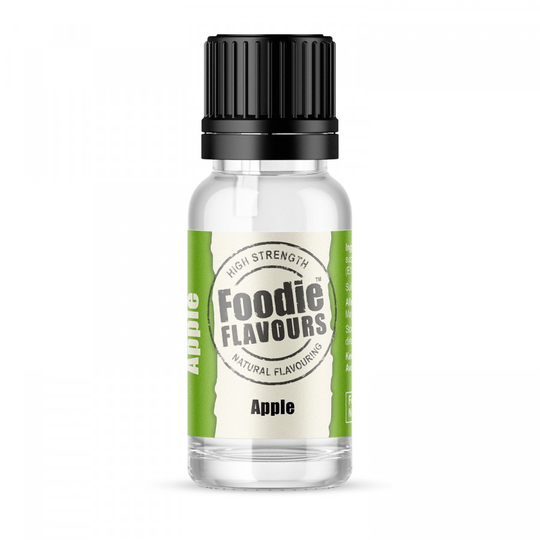
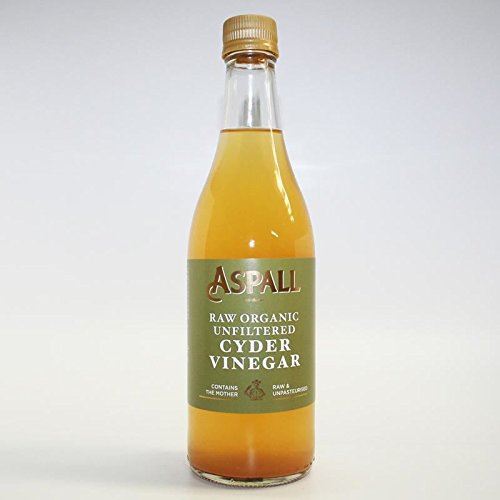
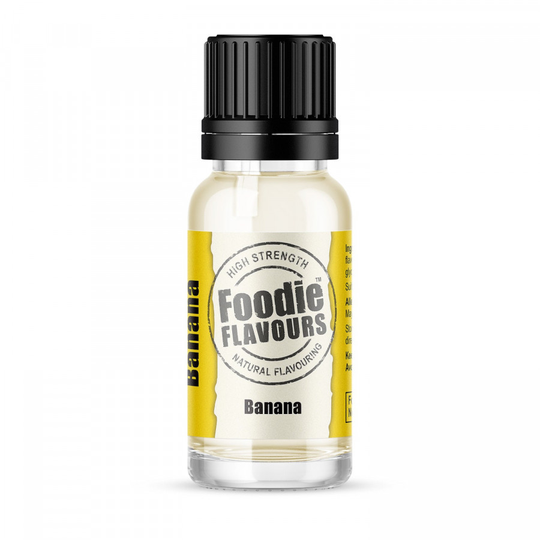
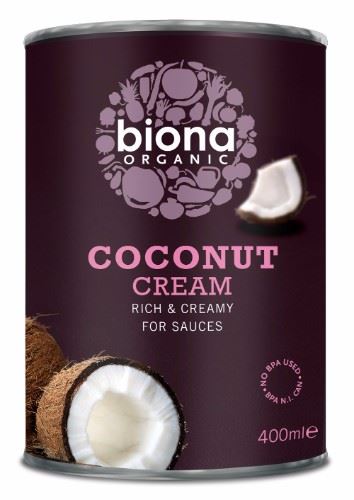
This category lists sweet and dessert wines, such as Italian passito, straw wines, icewine, sweet Riesling and Muscat, many in half bottles of 37.5cl or 50cl. It also currently contains baking and party items such as cupcake wrappers, flavourings and cake stands from one shop, which are not wines, so check product names as you browse.
How sweet wines are made
- Late harvest: grapes left on the vine to ripen further and concentrate sugar.
- Noble rot: the Botrytis fungus shrivels grapes, giving honeyed wines such as Sauternes and Tokaji.
- Icewine: grapes picked frozen; only a little very sweet juice runs out. Germany calls it Eiswein; Canada is a major producer.
- Dried grapes: grapes dried after picking, as in Italian passito, Vin Santo and straw wines.
- Fortified: spirit added to stop fermentation, as in Port and sweet Sherry, raising the alcohol to around 15% to 22%.
Choosing a bottle
Check the method, grape and ABV. Muscat gives grapey, floral wines; Riesling gives sweet wines with high, refreshing acidity; Sémillon is the grape of Sauternes. Half bottles are standard because servings are small, so compare prices per bottle size.
Serving and food
Serve most sweet wines well chilled, around 6 to 10°C, in small glasses of about 75ml to 100ml. Fortified wines are often served a little warmer. The wine should be at least as sweet as the dessert, otherwise it tastes thin. Sweet wines also suit blue cheese and pâté.
Storing
Unopened bottles keep well in a cool, dark place. Once opened, recork and refrigerate. Many unfortified sweet wines keep for a week or more and fortified wines longer; check the label.
Common mistakes
Serving a dessert wine with a pudding that is sweeter than the wine, serving it too warm, and overlooking the higher alcohol of fortified wines.
Grapes to look for
Muscat, in its many forms, gives grapey, floral wines from light Moscato d’Asti to rich fortified Muscat. Riesling makes sweet wines with very high acidity that keeps them fresh. Sémillon and Sauvignon Blanc are the grapes of Sauternes, and Furmint the main grape of Tokaji. Vidal and Riesling are common for Canadian icewine. Italian passito wines use local grapes such as Zibibbo, a form of Muscat.
Price and value
Sweet wines can look expensive per bottle, but most bottles are smaller and servings are small, so one half bottle can serve four to six people. Noble rot and icewine are costly to produce because yields are tiny and picking is slow, which is reflected in the price. Passito and late harvest wines are often more affordable.
Common questions
What is the difference between icewine and late harvest wine?
Late harvest wine is made from grapes left to ripen longer on the vine. Icewine is made from grapes picked while frozen, which concentrates the juice even further.
How long does dessert wine keep once opened?
Kept corked in the fridge, many unfortified sweet wines last a week or more, and fortified wines such as Port for several weeks.
Why are dessert wines sold in half bottles?
They are concentrated, often costly to make and served in small glasses, so a half bottle serves several people.