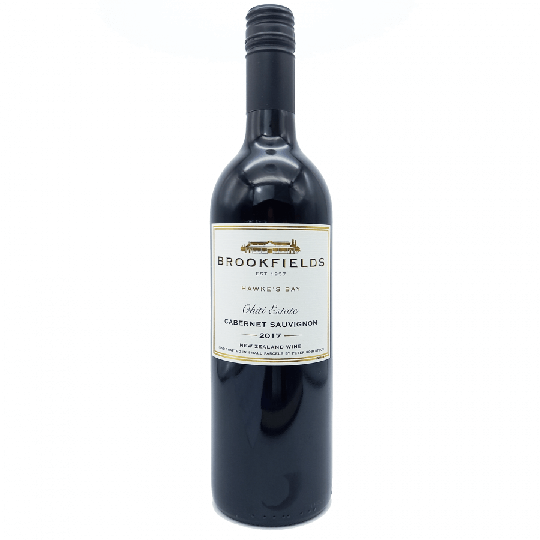
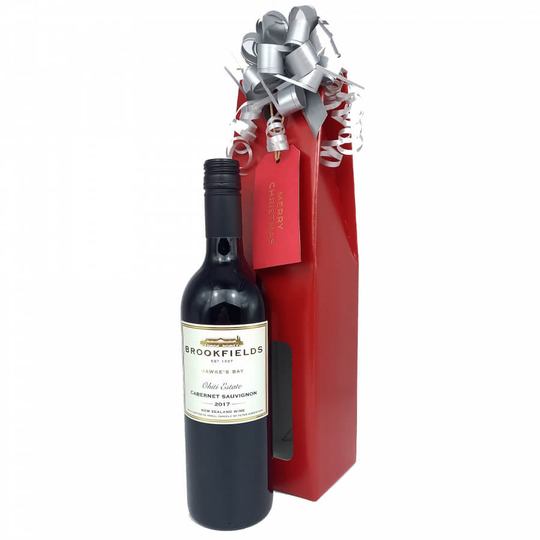
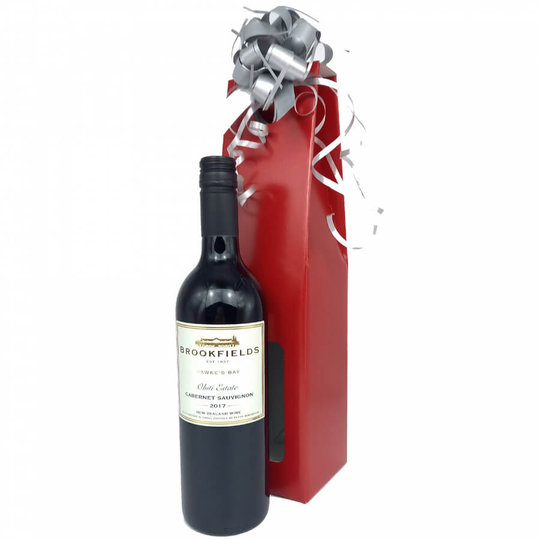
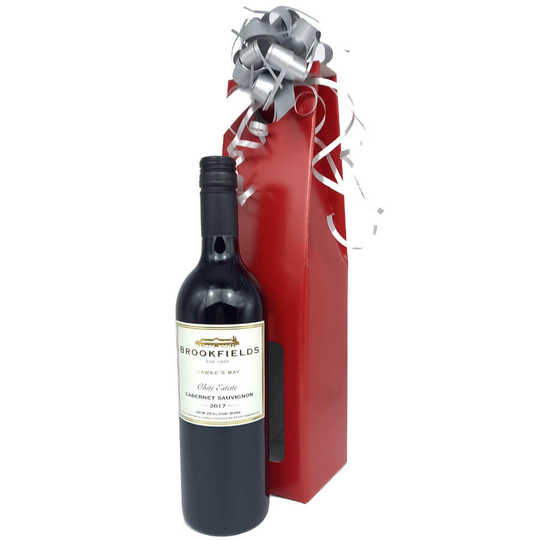
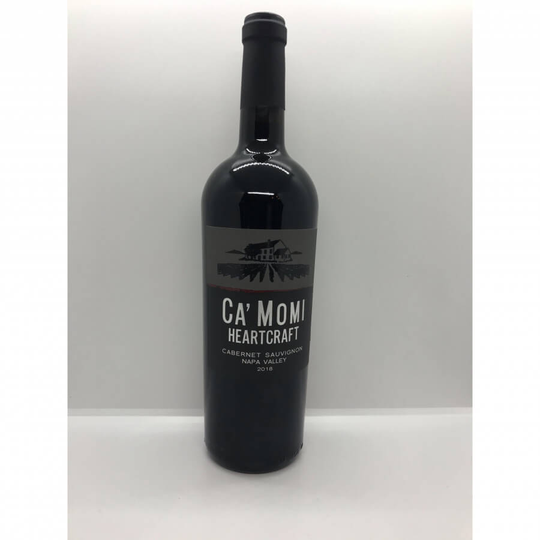
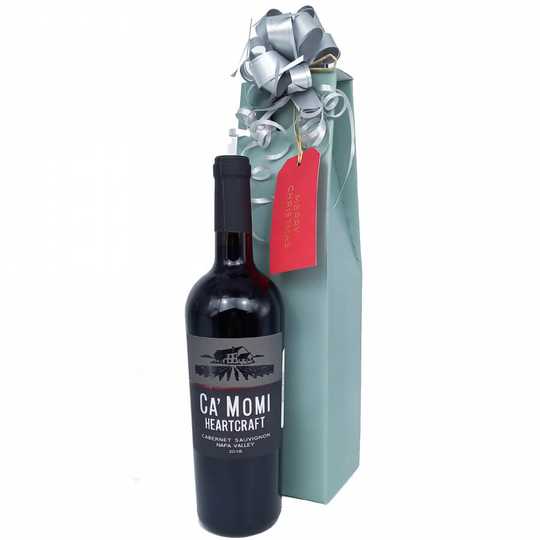
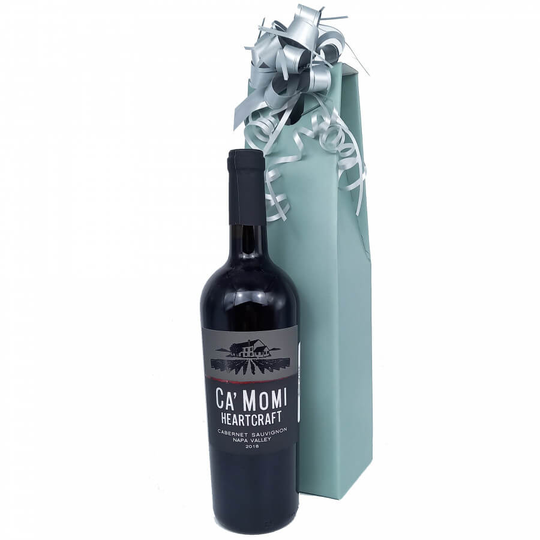
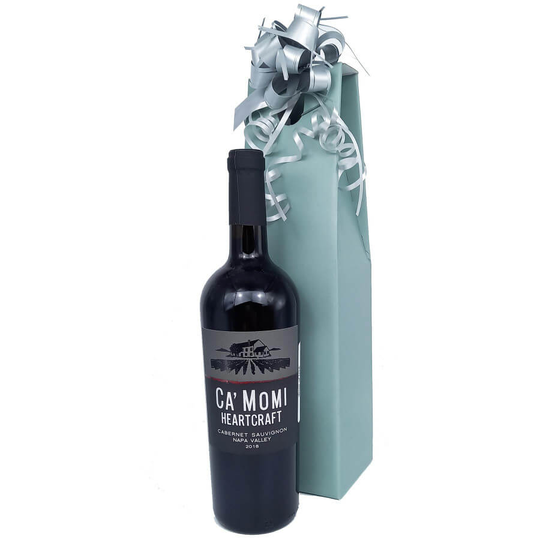
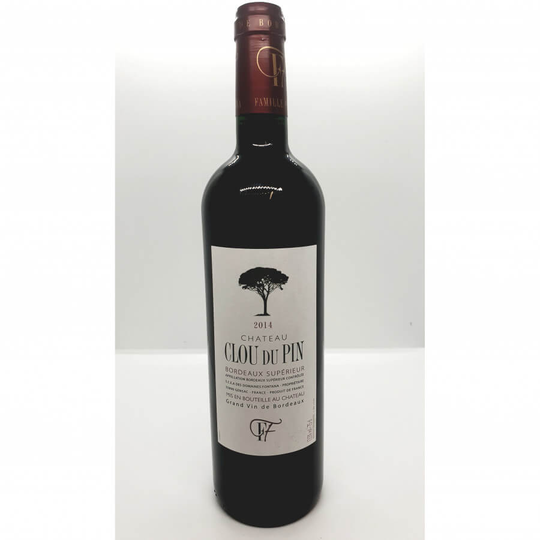
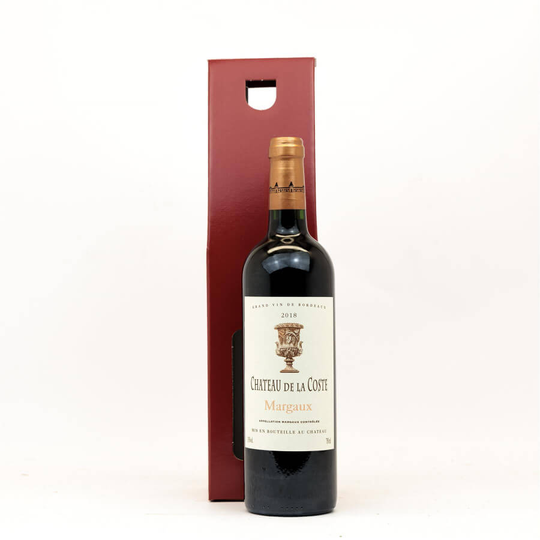
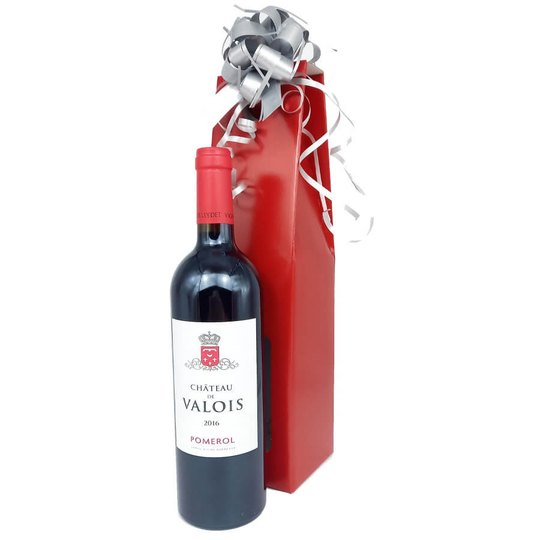
What is in this category
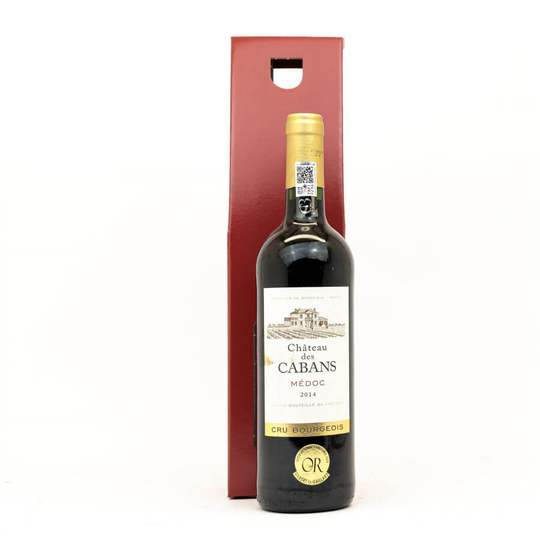
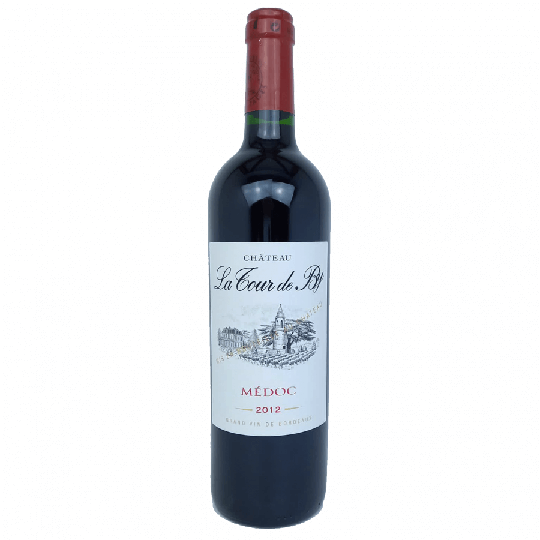
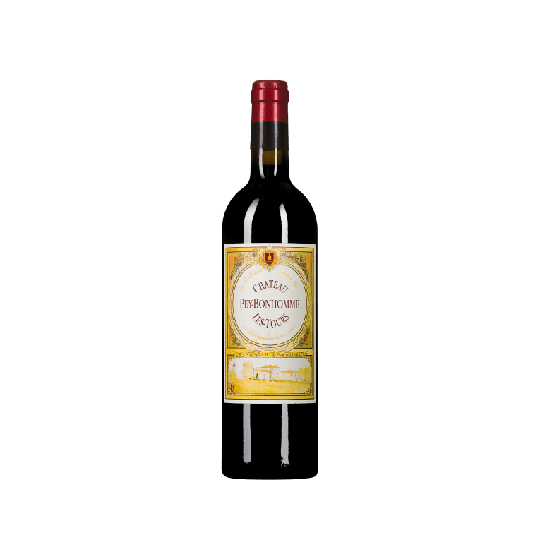
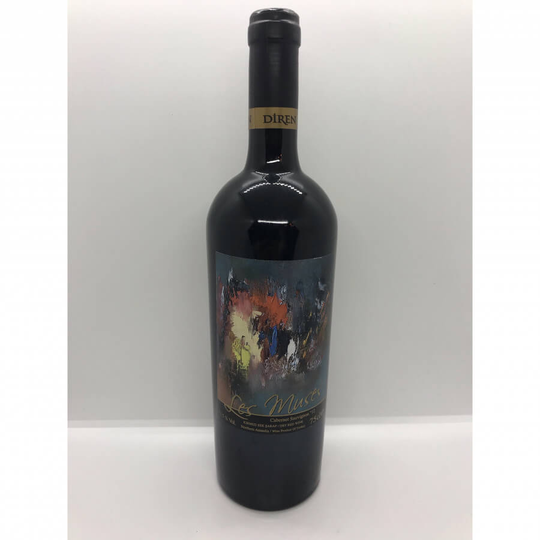
Cabernet Sauvignon is a thick skinned black grape that gives deep coloured, full bodied red wines with firm tannins and flavours of blackcurrant, cedar and sometimes mint. This category includes single variety Cabernet from Napa Valley, Washington State, Chile, New Zealand, Australia and South Africa, plus Bordeaux blends from the Médoc, Pauillac, Margaux and Pessac-Léognan where Cabernet is a main grape, and some Italian and Spanish blends.
Regions and styles
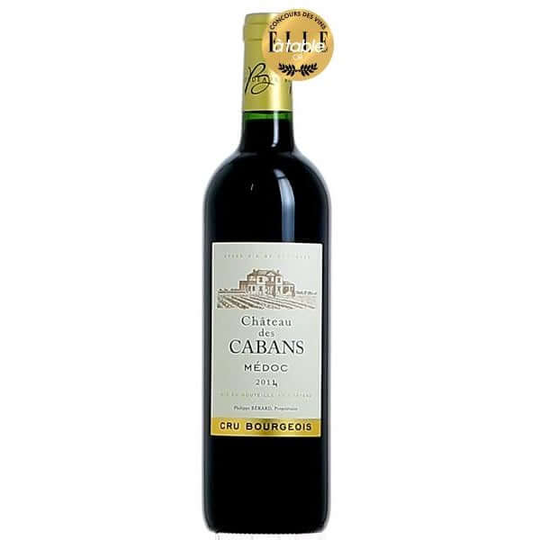
- Bordeaux Left Bank: Médoc, Pauillac and Margaux blend Cabernet with Merlot and other grapes. Structured, often made to age. Classed growth (Cru Classé) refers to the 1855 classification of Médoc estates.
- Napa Valley and Washington State: ripe, full and generous.
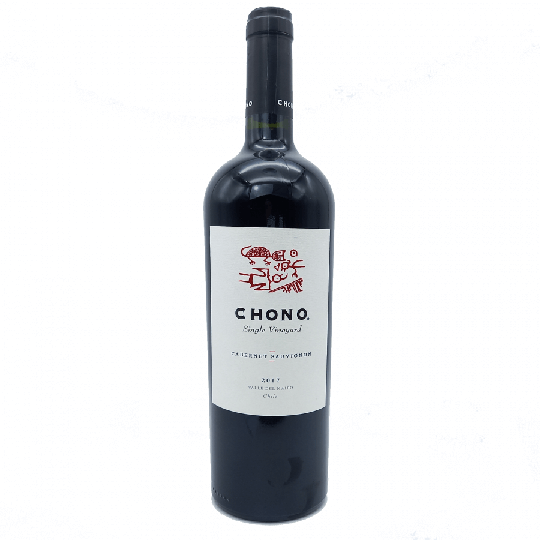
- Chile: blackcurrant fruit and good value, from the Maipo and Colchagua valleys among others.
- Australia: Coonawarra and Margaret River are well known for Cabernet.
- New Zealand and South Africa: Hawke’s Bay and Stellenbosch make Cabernet and Bordeaux style blends.
Choosing a bottle
Young Cabernet can feel firm because of its tannin. Food, especially red meat, softens it, and so can time in a decanter. If you prefer softer reds, look for Cabernet blended with Merlot. Most everyday Cabernet is ready within a few years; top Bordeaux and Napa wines are made to develop over a decade or more. ABV is often 13.5% to 15%, so check the units.
Serving and food
Serve at about 15 to 18°C. Decanting young wines for an hour can soften them; stand older bottles upright for a day and pour slowly to leave sediment behind. Cabernet suits roast beef, lamb, steak and hard cheeses such as mature Cheddar. Recork and refrigerate an opened bottle; most keep two to three days.
Common mistakes
Serving it too warm, opening a young, structured Bordeaux and expecting a soft wine, and pairing it with delicate fish or very spicy dishes, which can make the tannins taste bitter.
Buying and storing
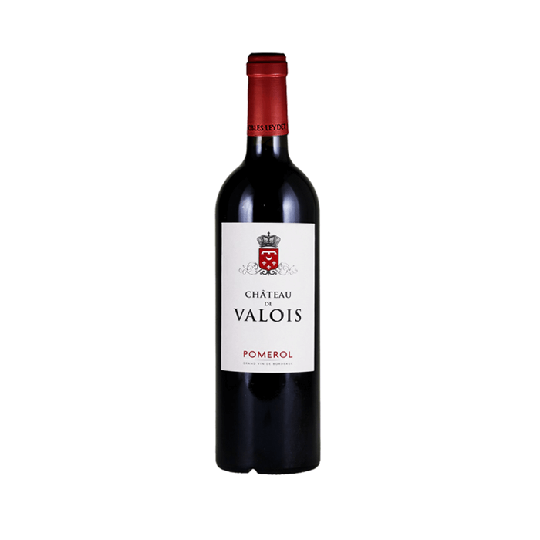
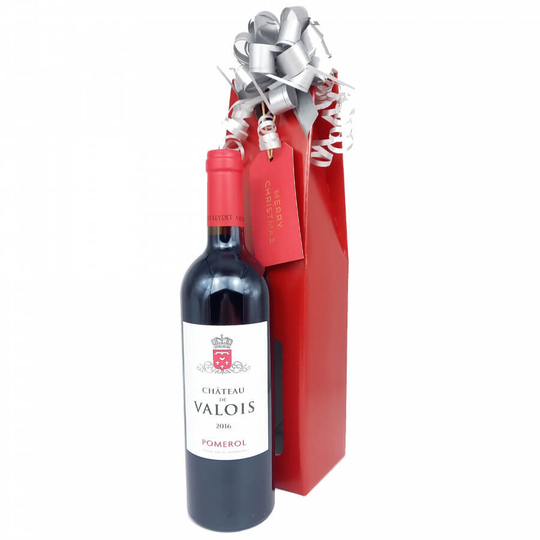
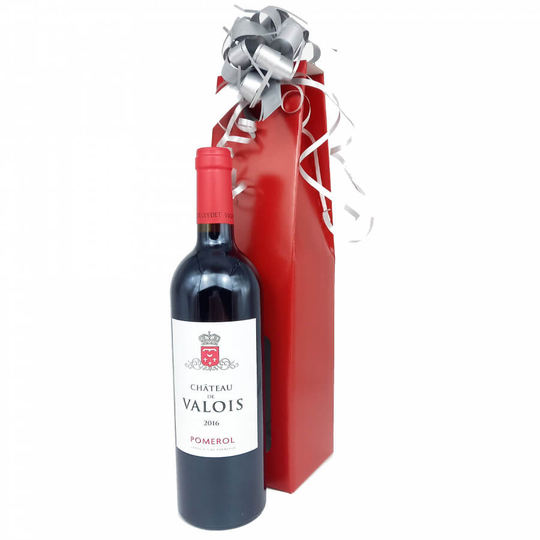
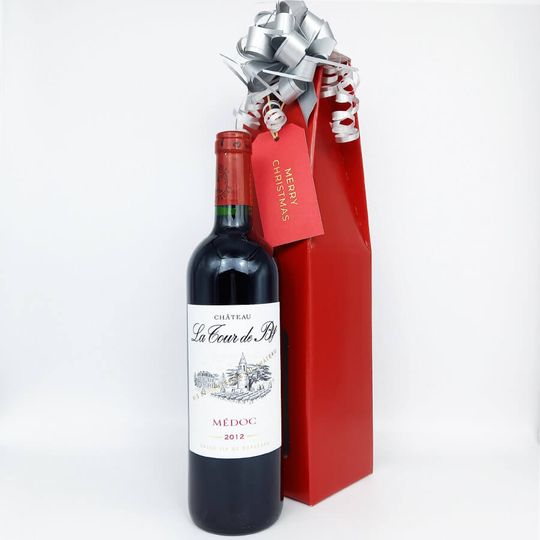
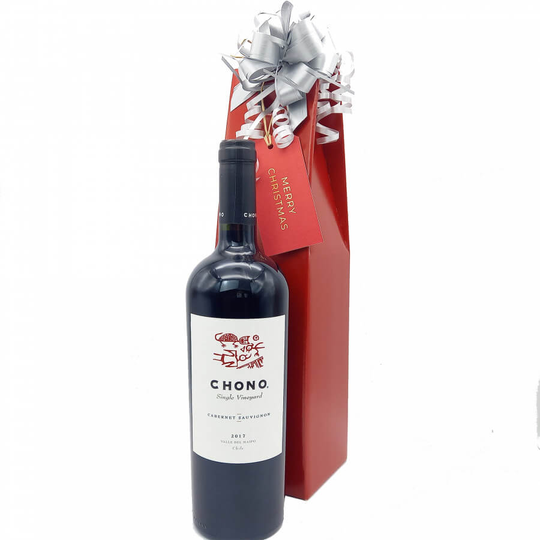
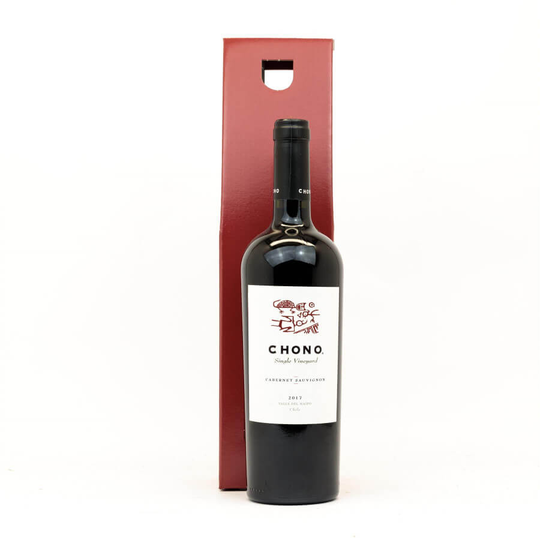
Compare listings carefully: the same wine is often offered as a single bottle, in a gift box or as part of a case, at different prices, and sometimes in more than one vintage. Check the vintage and bottle size on each listing. Keep unopened bottles on their side, somewhere cool, dark and away from vibration; a cupboard away from radiators and the oven is fine for wines you plan to open within a year or two. Shops sell alcohol only to adults aged 18 and over, and the UK Chief Medical Officers advise not regularly drinking more than 14 units a week.
Common questions
What does Cru Classé mean on Bordeaux?
It means the estate was ranked in an official classification, most famously the 1855 classification of the Médoc and Graves. It shows status, not a guarantee of style or quality in every vintage.
Does Cabernet Sauvignon need decanting?
Young, structured Cabernet often benefits from an hour in a decanter. Older bottles may have sediment and should be poured carefully. Everyday fruity Cabernet is usually fine straight from the bottle.
What food goes with Cabernet Sauvignon?
Roast beef, lamb, steak and hard cheeses are classic matches. The fat and protein soften the wine’s tannins.