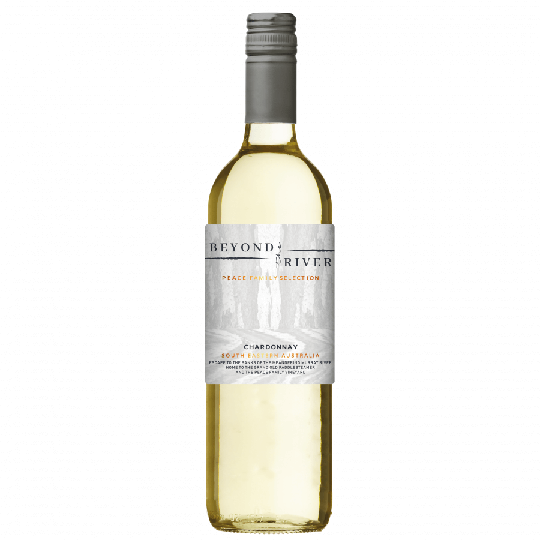
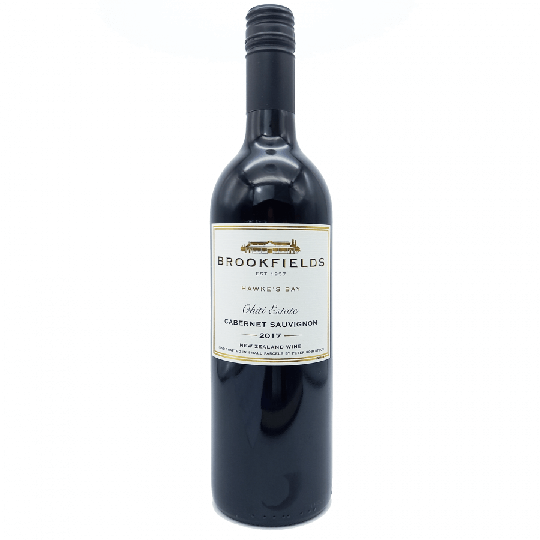
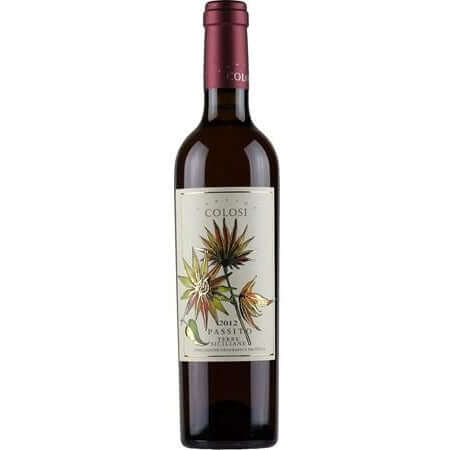
A wine label answers four questions if you know where to look: what was it made from, where does it come from, how old is it, and how strong is it. Everything else, from the producer’s name to medals and tasting notes, is helpful context rather than essential information.
The first thing to notice is how the wine is named. Wines from New World countries such as Australia, Chile or New Zealand usually name the grape on the front: Shiraz, Sauvignon Blanc, Pinot Noir. Many European wines name the place instead, so a bottle of Sancerre is Sauvignon Blanc and a Chablis is Chardonnay, even though the grape may not appear on the label at all.
The main parts of a label
| Part | What it tells you | Example |
|---|---|---|
| Producer | Who made the wine | Château, Domaine, Bodega, Estate |
| Grape | The variety or varieties used | Pinot Noir, Riesling |
| Region | Where the grapes were grown | Rioja, Central Otago, Mosel |
| Vintage | The year the grapes were harvested | 2018 |
| Strength | Alcohol by volume, as a percentage | 13.5% vol |
| Volume | How much wine is in the bottle | 75cl, 37.5cl, 150cl |
| Allergens | Required statements | Contains sulphites |
Under the wine rules that apply in the UK, a bottle that names a single grape or a vintage generally has to contain mostly that grape or that year’s harvest, usually at least 85%. A blend may list several grapes, often in order of quantity.
Region and quality terms
European wines are often labelled by protected place names, each with its own rules on grapes, yields and methods. Some words to recognise:
- France: AOC or AOP marks a protected origin; within Bordeaux and Burgundy you will also see Grand Cru and Premier Cru for particular vineyards or estates. Vin de Pays or IGP covers a wider area with looser rules.
- Italy: DOCG and DOC are protected origins; IGT covers a wider area. Riserva means the wine was aged for longer before release, under rules set for each wine.
- Spain: DO and DOCa are protected origins. In Rioja, Crianza, Reserva and Gran Reserva refer to minimum ageing times.
- Germany: Prädikat terms such as Kabinett, Spätlese and Auslese refer to the ripeness of the grapes at harvest. Trocken means dry.
A protected name tells you where a wine comes from and that it follows certain rules. It does not guarantee you will like it. Browse red wines and white wines by grape if you find grape names easier to follow.
Vintage and age
The vintage is the year the grapes were picked. Most everyday white, rosé and lighter red wines are made to be drunk within a few years of the vintage. Some fuller reds, sweet wines and top whites are made to develop in the bottle for longer. Non vintage, often written NV, means the wine blends several years; this is common for Champagne and other sparkling wines.
If a listing shows an older vintage of a wine normally drunk young, such as a Sauvignon Blanc or a rosé, it may have lost some of its freshness.
Alcohol strength and units
The ABV, shown as % vol, tells you how strong the wine is. Most table wines are between about 11% and 15%. You can work out the number of UK alcohol units with a simple formula: ABV multiplied by the volume in millilitres, divided by 1,000.
| Wine | Volume | ABV | Units |
|---|---|---|---|
| Light white | 750ml | 11% | about 8.3 |
| Typical red | 750ml | 13.5% | about 10.1 |
| Full bodied red | 750ml | 15% | about 11.3 |
| Medium glass | 175ml | 13% | about 2.3 |
The UK Chief Medical Officers advise not regularly drinking more than 14 units a week, spread over three or more days, and not drinking at all if you are pregnant or trying to become pregnant. It is illegal to sell alcohol to anyone under 18 in the UK.
Sulphites and other allergens
In the UK, a wine with more than 10mg per litre of sulphur dioxide must say “contains sulphites”, which applies to almost all wines. Wines fined with milk or egg products may also carry allergen statements. Labels such as organic, biodynamic or vegan tell you about how the grapes were grown or the wine was made; vegan means no animal products were used in fining.
Sweetness words
Most still red and white wines are dry. Words that hint at sweetness include off dry, medium, demi sec, halbtrocken and feinherb. For sparkling wines, Brut Nature and Extra Brut are the driest, Brut is dry, and Extra Dry, Sec and Demi Sec are progressively sweeter. For sweet wines, see the guide to dessert and sweet wines.
Quick checklist
- Check whether the wine is named by grape or by region.
- Look up the grape behind a European place name if it is not on the label.
- Note the vintage, especially for wines made to be drunk young.
- Read the ABV and work out the units in the bottle.
- Check allergen statements such as sulphites.
- Look for sweetness words if you prefer dry or off dry wines.
- Use the producer’s name to compare other wines from the same producers.
Common questions
Is an older vintage always better?
No. Most wines are made to be drunk within a few years. Only some wines, such as certain fuller reds and sweet wines, are designed to improve with age.
Why does a French wine not say which grape it is?
Many French wines are named after their region, and the rules for that region decide which grapes can be used. A red Burgundy, for example, is almost always Pinot Noir. A rosé from Provence is usually a blend of several red grapes.
What does “contains sulphites” mean?
Sulphur dioxide is used in winemaking to protect wine from spoiling, and some is produced naturally during fermentation. In the UK, wines above 10mg per litre must state it on the label, because some people are sensitive to sulphites.