Rosé wine
Rosé is made from black grapes whose juice spends only a short time with the skins, just long enough to pick up a little colour. The result can range from the palest onion skin of Provence to deeper pink styles from Spain, Italy and the New World. Colour is not a reliable guide to sweetness: most pale Provence rosé is dry, and so are many darker ones.
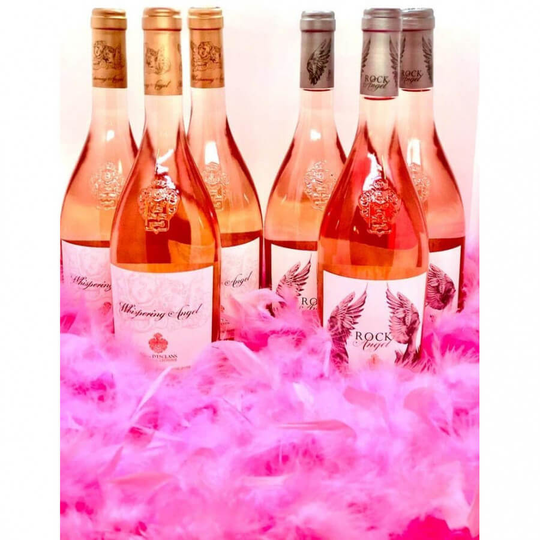
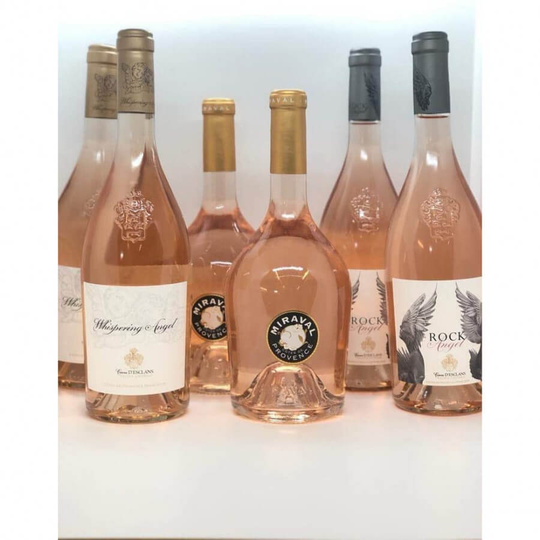
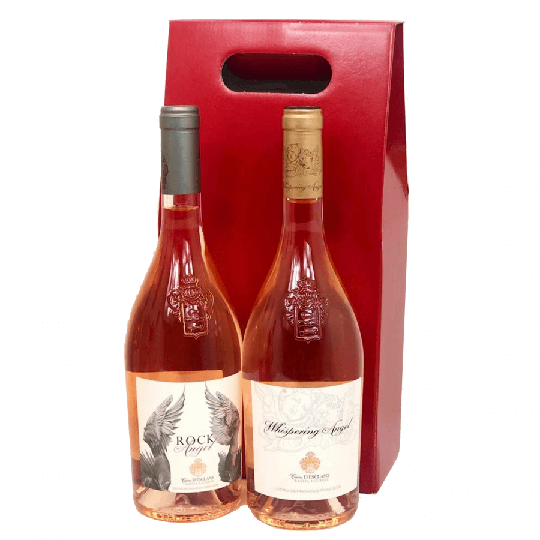
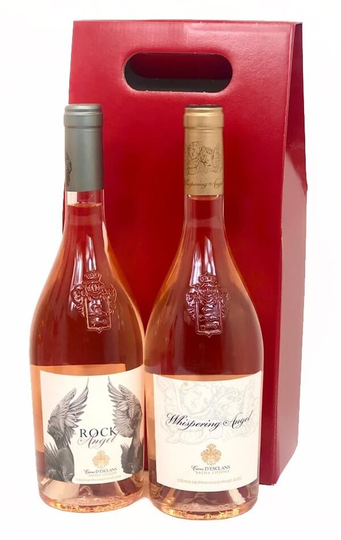
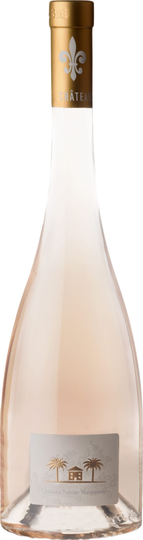
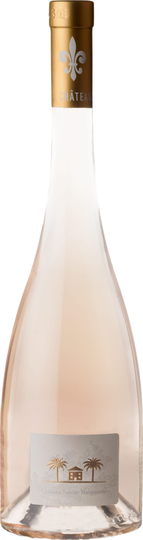
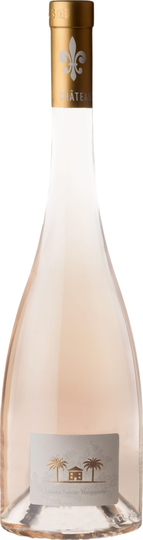
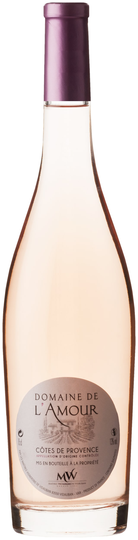
The range is listed under Rosé wines. It includes Côtes de Provence rosés from estates such as Château Sainte Marguerite and Château d’Esclans, the producer of Whispering Angel, both in standard bottles and magnums, plus several gift sets. Pinot Noir and Grenache based rosés also appear in the Pinot Noir range.
Choosing and serving
Most rosé is made to be drunk young, ideally within a year or two of the vintage, while it is fresh. Serve it chilled at about 8 to 10°C. Dry rosé goes well with salads, seafood, grilled fish and Mediterranean dishes. A magnum holds 1.5 litres, the same as two standard bottles. Shops sell alcohol only to adults aged 18 and over.
Provence and beyond
Côtes de Provence is the best known rosé region, usually blending grapes such as Grenache, Cinsault and Syrah into pale, dry and delicate wines. Other styles include Spanish rosado from Garnacha, often deeper in colour and fruitier, and rosé made from Pinot Noir, which tends to be light and fresh. Sparkling rosé and rosé Champagne are listed with sparkling wines in other categories.
Common questions
Is rosé wine sweet?
Many rosés, including most from Provence, are dry. Some styles, such as blush or white Zinfandel, are sweeter. Check the label and description.