The Best Wine for Mulled Wine, and How to Mull It Well
- By Libert
- 20 Nov, 2026
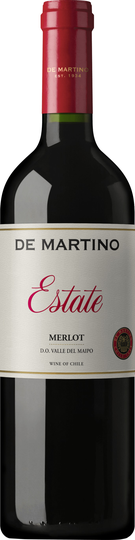
The best wine for mulled wine is a soft, fruity, medium bodied red that has seen little or no oak: a Chilean Merlot, a Spanish Garnacha or a simple southern French red are all ideal. You do not need an expensive bottle, but you do need one you would happily drink cold, because heat and spice exaggerate a wine's faults rather than hide them.
What Makes a Red Good for Mulling
Mulling does three things to wine. It warms it, which makes alcohol and bitterness more noticeable. It adds sugar, which softens acidity. And it adds strong spice, which can bury delicate flavours completely. A good mulling wine is one that survives all three.
- Plenty of ripe fruit. Plum, cherry and blackberry flavours stand up to cinnamon and clove. A thin, tart red ends up tasting of spice and little else.
- Soft tannins. Firm, grippy tannins turn harsh and drying when the wine is hot. This is why a young, structured Cabernet Sauvignon or a serious Barolo is a poor choice.
- Little or no new oak. Heavy oak flavours of vanilla and toast clash with the spices and can taste bitter once warmed.
- Moderate alcohol. Around 12.5 to 13.5% is plenty. A big, 15% red becomes heady and hot in the glass.
Grapes and Styles That Work Best
Merlot is the easiest place to start. Its soft tannins and plummy fruit are exactly what you want, and everyday Merlot from Chile, southern France or Australia is usually good value. A bottle such as the De Martino Estate Merlot from Chile's Maipo Valley has the ripe fruit to carry the spices, though for a big party batch a cheaper Merlot will do the job too.
Spanish Garnacha (Grenache) and young Tempranillo are excellent alternatives, with red berry fruit and a gentle, warming character. From France, look for inexpensive Grenache based reds from the Côtes du Rhône or Languedoc, including Corbières. Wine writer Fiona Beckett has suggested an own label Corbières as a mulling base, which says a lot: decent and drinkable is the goal, not prestige.
If you like a richer, spicier result, a soft Shiraz or a fruity Malbec works well, as long as it is not heavily oaked. If you are unsure how these grapes differ, our guide to choosing a red wine by grape sets out the styles side by side.
Avoid light, delicate reds such as Pinot Noir and Beaujolais, which are lovely served cool but get lost under the spice. Avoid fine or aged wines too, for the simple reason that you will cook away everything you paid for.
White and rosé mulled wine
Red is traditional, but white mulled wine is a real thing, especially in Germany, where Riesling and Müller-Thurgau are both used. Choose an aromatic, unoaked white with some fruitiness, and go easier on clove and star anise, which can overwhelm it. Honey, lemon peel, ginger and a vanilla pod suit white wine better. Rosé can be mulled the same way and makes a lighter, fruitier drink.
How Much to Spend and How Much to Buy
The sweet spot is the price you would pay for a bottle you enjoy on a weeknight. Below that, you risk sharp, thin wines that need far more sugar to taste pleasant. Above it, the subtleties you are paying for disappear in the pan.
A standard 75cl bottle gives about six small servings of mulled wine, a little more if you add water or juice. For a gathering of eight to ten people, two bottles is a sensible starting point. Remember that mulled wine is still wine, and served warm and sweet it goes down quickly. A 175ml glass of 12% wine contains about 2.1 units, and the UK Chief Medical Officers advise not regularly drinking more than 14 units a week, spread over three or more days. Smaller cups, often around 100 to 125ml, help everyone pace themselves.
A Simple Method That Gets It Right
Most recipes share the same backbone. This version makes enough for six to eight people and is easy to adjust.
- Gather the ingredients. One bottle of soft red wine, one orange, one or two cinnamon sticks, three or four cloves, two star anise and two to three tablespoons of sugar or honey.
- Use whole spices. Ground spices make the drink cloudy and leave a gritty, powdery finish. Pushing the cloves into a piece of orange makes them easy to fish out later.
- Start the sugar low. Dissolve a little of the sugar with a splash of the wine and the spices over a gentle heat. You can always add more at the end, but you cannot take it away.
- Add the rest of the wine and orange slices. Keep the heat low.
- Never let it boil. Warm it until it is steaming and the surface barely trembles, then turn the heat right down. Alcohol boils at around 78°C, well below water, so a rolling boil drives off alcohol and fruit aromas and pulls bitterness out of the orange pith and spices.
- Let it infuse. Fifteen to thirty minutes on the lowest heat is enough. Taste, adjust the sweetness, then strain or ladle carefully.
Some people add a splash of brandy, Port or orange liqueur just before serving. It makes a richer drink, but also a much stronger one, so be clear with guests about what is in the jug.
Common mistakes
- Too much clove. It quickly dominates and can numb the palate. Three or four per bottle is plenty.
- Leaving the orange in for hours. The white pith turns the wine bitter. Remove the slices if you are keeping the pan warm for a long evening.
- Keeping it on a high heat. If you need to hold it for a party, use the lowest setting, or a slow cooker on low with the lid on.
- Using a reactive pan. Wine is acidic, so use stainless steel or enamel rather than aluminium or unlined copper.
Glühwein, Glögg and Other Traditions
Warm, spiced wine has a long history in Europe, and it is said to go back to the Romans, who heated and spiced wine in winter. Today the best known versions are German Glühwein, sold at Christmas markets across Germany and Austria, and Nordic glögg, which is often served with raisins and blanched almonds in the cup. Under wine law, a drink sold as Glühwein must be made only from wine, sweetened and spiced, with no added spirit, water or colouring, and must have an alcoholic strength of at least 7% and below 14.5%.
Borrowing from these traditions is an easy way to vary your batch. Try a few lightly crushed cardamom pods for a Scandinavian feel, a strip of lemon zest for freshness, or a slice of fresh ginger for warmth.
Serving It at Home
Serve mulled wine in heatproof glasses or mugs with a handle, never in thin wine glasses, which can crack when hot liquid goes in. A fresh orange slice or a cinnamon stick in each cup looks festive without adding much effort.
Always have a good alcohol free option alongside. Warmed apple juice or a red grape juice mulled with the same spices is popular with drivers and anyone not drinking, and it means nobody is left holding an empty cup.
Mulled wine is best as a welcome drink or an evening warmer rather than something to drink with a meal. If you are planning wines for the dinner itself, our guide to choosing wine for festive meals covers turkey, beef, nut roast and Christmas pudding. For the mulling bottle, pick up a soft, fruity red you already like, keep the heat low and the spices whole, and enjoy it responsibly.