Choosing Wine for Festive Meals: A Simple Pairing Guide
- By Libert
- 02 Dec, 2025
The festive season is the time of year when many of us buy more wine than usual, and also when we worry most about getting it right. A big family meal brings together lots of different flavours, from roast meat and rich gravy to sweet cranberry sauce and plenty of side dishes. The good news is that you do not need to be an expert. A few simple principles will help you choose wines that work for the whole table.
The Basic Rules of Festive Pairing
- Match the weight. Light dishes suit lighter wines, while rich, hearty food can take a fuller bodied wine.
- Think about the sauce. Gravy, cranberry sauce and stuffing often matter more than the meat itself.
- Look for good acidity. Wines with fresh acidity cut through rich, buttery and fatty food and keep the palate refreshed.
- Keep it versatile. With so many dishes on one plate, flexible, food friendly wines are usually a safer choice than very bold or very delicate ones.
Wines for the Main Course
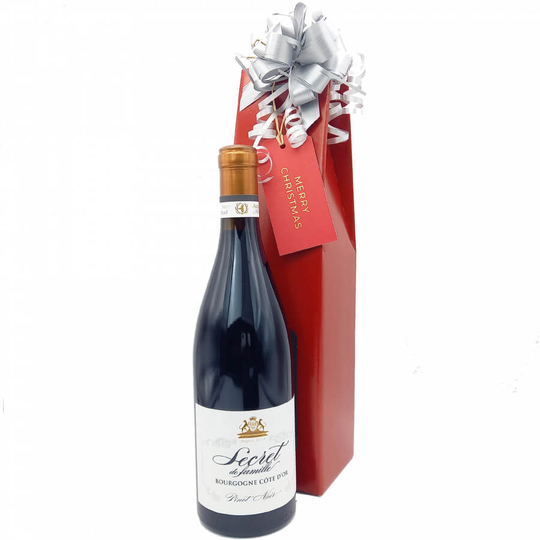
Roast turkey or chicken. Turkey is fairly mild, so it suits a wide range of wines. Pinot Noir is a classic choice, with its red fruit flavours and gentle tannins. A rich white such as an oaked Chardonnay also works beautifully, especially if you serve a creamy sauce. Browse our Pinot Noir selection for ideas, such as this Albert Bichot Secret de Famille Pinot Noir in a gift presentation.
Roast beef or lamb. Red meat calls for a fuller red. Cabernet Sauvignon, Merlot, Shiraz and Malbec all pair well, as their tannins and depth stand up to rich meat and gravy.
Ham or gammon. The salty and sweet flavours of glazed ham work well with fruity reds, off dry Riesling or a dry rosé.
Salmon and seafood starters. Crisp, dry whites such as Sauvignon Blanc, Pinot Grigio or Chablis style Chardonnay are reliable choices. Sparkling wine is also a lovely way to start the meal.
Vegetarian and vegan mains. A nut roast or mushroom wellington suits earthy reds such as Pinot Noir, or a richer white. If your guests are vegan, check the product details, as not all wines are suitable for vegans.
Dessert and Cheese
As a rule, a dessert wine should be at least as sweet as the dessert, otherwise the wine can taste thin and sour. With Christmas pudding, mince pies or chocolate, consider a sweet dessert wine or a fortified wine. Explore our dessert wines for options.
For the cheese board, there is no single perfect match. Fresh, tangy cheeses often prefer crisp whites, while hard and aged cheeses go well with fuller reds. Blue cheese is a classic match for sweet wine.
How Much to Buy and How to Serve
- Plan your quantities. A standard 750ml bottle pours around five to six glasses. Think about how many courses you are serving and how many guests will be drinking.
- Offer a choice. One red, one white and something sparkling covers most tastes.
- Get the temperature right. Chill whites, rosés and sparkling wines in the fridge for a few hours. Serve reds slightly cooler than a warm dining room, so take them out of a heated kitchen.
- Open reds early. Fuller reds can benefit from being opened or decanted a little while before the meal.
- Always have alternatives. Provide water and good non-alcoholic options for drivers, children and anyone not drinking.
Most importantly, choose wines you and your guests enjoy. Festive meals are about sharing good food and good company. Please enjoy alcohol responsibly and never drink and drive.