The price comes from the shop and can change. Check price, size and delivery on the shop's page before you order.
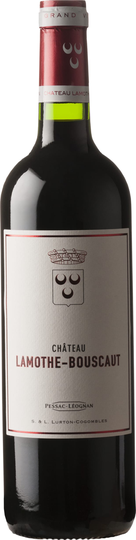
This is a real find - a beautifully restrained, classy Bordeaux. Dark purple colour, with complex aromas of blackcurrant, mulberry, white pepper and vine leaves, and hints of savoury soy sauce and oyster shell. In the mouth, there is impressive fruit concentration with gorgeously deep, succulent texture. This is superb - it is drinking well already, and will continue to do so over the next decade or longer. Situated in the village of Cadaujac, 200 metres from Château Bouscaut, Lamothe-Bouscaut is an old wine estate owned by Sophie Lurton and Laurent Cogombles. The house dates back to the 12th Century. The Merlot and Cabernet Sauvignon vines grown on these deep, gravelly soils are on average 35 years old, and the vineyard is managed sustainably.
At a glance
- Shop: The Great Wine Co.
- Brand: Château Lamothe-Bouscaut
- Price: £29.50
Prices come from the shop and may have changed. Check price and delivery with the shop before you buy.
Good to know
- Stand older bottles upright for a day so sediment settles before pouring.
- Red meat and hard cheese soften Cabernet’s tannins.
- Look for Cabernet and Merlot blends if you prefer a softer red.
Common questions
Does Cabernet Sauvignon need decanting?
Young, structured Cabernet often benefits from an hour in a decanter. Older bottles may have sediment and should be poured carefully. Everyday fruity Cabernet is usually fine straight from the bottle.
What food goes with Cabernet Sauvignon?
Roast beef, lamb, steak and hard cheeses are classic matches. The fat and protein soften the wine’s tannins.