How to Store and Serve Wine at Home
- By Libert
- 23 Apr, 2026
You do not need a cellar or an expensive wine fridge to enjoy wine at its best. Most bottles are made to be enjoyed within a few years, and a little care with how you store and serve them makes a real difference to how they taste. Here are the essentials.
Storing Wine Without a Cellar
Wine has a few natural enemies: heat, light, temperature changes and very dry air. Keep these in mind and you will avoid most problems.
- Keep it cool and steady. A cool, stable temperature is more important than a perfect one. Avoid spots that heat up and cool down, such as next to the oven, on top of the fridge or near a radiator.
- Keep it dark. Strong sunlight and bright light can affect wine over time. A cupboard, the space under the stairs or a box in a cool room all work well.
- Store corked bottles on their side. This keeps the cork in contact with the wine so it does not dry out. Screw cap bottles can be stored upright.
- Avoid vibration and strong smells. Keep wine away from the washing machine, and away from cleaning products or paint.
If you are buying wine to keep for several years, a wine fridge or professional storage is worth considering. For everyday bottles that you will drink within a few months, a cool, dark cupboard is fine.
Serving at the Right Temperature
Temperature has a big effect on flavour. Wine that is too warm can taste flat and alcoholic, while wine that is too cold can hide its aromas.
- Sparkling wines: serve well chilled.
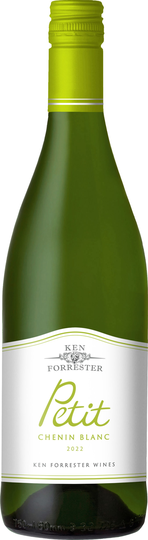
- Light, crisp whites and rosés: chilled, straight from the fridge. Fresh styles such as Sauvignon Blanc, Pinot Grigio or a Petit Chenin Blanc are at their best this way.
- Fuller whites, such as oaked Chardonnay: lightly chilled. Take them out of the fridge a little while before serving.
- Light reds, such as Pinot Noir: slightly cool. Twenty minutes in the fridge on a warm day can help.
- Fuller reds: cool room temperature, not as warm as a heated living room in winter.
A simple rule of thumb: most whites are served too cold and most reds too warm. Adjust a little in both directions and you will often notice more flavour.
Glasses and Decanting
You do not need a different glass for every grape. A good all purpose wine glass with a bowl that narrows slightly at the top works for most wines. It lets you swirl the wine and concentrates the aromas. Hold the glass by the stem so your hand does not warm the wine.
Decanting is helpful for some fuller reds and for older wines that may have sediment. For most everyday wines, simply opening the bottle and pouring a glass to let it breathe is enough. If you want to practise tasting the difference, our wine tasting guide explains how to look, smell and taste.
Keeping an Opened Bottle Fresh
Once a bottle is open, oxygen starts to change the wine. To make it last a little longer:
- Put the cork or screw cap back on straight away.
- Store opened bottles in the fridge, including reds. Take reds out a little while before you drink them.
- Use a wine stopper or vacuum pump if you often have leftovers.
- Pour leftovers into a smaller bottle to reduce the amount of air in contact with the wine.
Lighter wines usually fade faster once opened, while fuller reds and fortified wines often keep a little longer. Trust your nose: if the wine smells dull, vinegary or simply not pleasant, use it for cooking instead.
With these simple habits, every bottle you open can taste as it should. Please enjoy wine responsibly.