A Guide to Rosé Wine: Styles, Serving and Food Pairing
- By Libert
- 11 Jul, 2026
Few wines say summer quite like a glass of chilled rosé. It is refreshing, easy to enjoy and surprisingly good with food. Yet rosé is often misunderstood, and the range of styles is much wider than many people think. This guide covers how rosé is made, the main styles to look for, and how to serve and pair it.
How Rosé Is Made
Rosé gets its colour from red grape skins. Grape juice is almost colourless, so the pink colour comes from letting the juice spend a short time in contact with the skins of red grapes before they are removed. A short contact gives a pale, delicate colour, while a longer contact gives a deeper pink and often more flavour.
Some rosés are made by pressing red grapes directly and gently, which gives a very pale colour. Others are made as a by-product of red winemaking. In most of Europe, still rosé is not made by mixing red and white wine, although some sparkling rosés, including some Champagnes, may be made that way.
The Main Styles
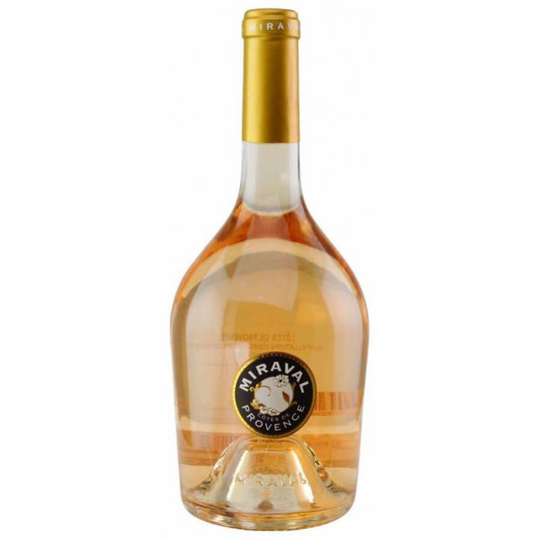
- Pale and dry. Light in colour, crisp and delicate, with flavours of red berries, citrus and sometimes herbs. Provence in the south of France is especially well known for this style, for example this Miraval Côtes de Provence.
- Fruity and medium bodied. A deeper pink, with riper strawberry and cherry flavours. Many rosés from Spain, Italy and the New World fall into this group.
- Off dry and sweet. Softer and sweeter, often with lower alcohol. Popular as easy drinking party wines.
- Sparkling rosé. From Champagne and English sparkling wine to Cava and Prosecco rosé, these add bubbles and a festive feel.
Colour is not a reliable guide to sweetness. A deeply coloured rosé can be completely dry, and a pale one can be off dry, so check the description before you buy.
How to Serve Rosé
- Chill it well. Most rosés taste best straight from the fridge. On a hot day, an ice bucket on the table keeps the bottle cool.
- Use a standard wine glass. A glass with a bowl that narrows slightly at the top helps bring out the aromas.
- Drink it young. Most rosés are made to be enjoyed fresh, usually within a year or two of the vintage. Some more serious rosés can age, but they are the exception.
- Keep leftovers in the fridge. Reseal the bottle and drink it within a day or two.
What to Eat With Rosé
Rosé is one of the most flexible food wines, because it combines the freshness of a white with some of the fruit of a red.
- Summer salads and light starters
- Grilled fish, prawns and seafood
- Barbecued chicken and vegetables
- Mediterranean dishes with tomatoes, olive oil, garlic and herbs
- Mild spicy food, where an off dry or fruity rosé works well
- Charcuterie and soft cheeses on a picnic or sharing board
Pale, dry rosés are best with delicate dishes, while fuller, fruitier styles can stand up to barbecue food and richer flavours.
Find Your Favourite
The best way to learn what you like is to try a few different styles side by side. Browse our rosé wines to compare pale Provence styles with fruitier and sparkling options. Enjoy your summer, and please drink responsibly.